In June 2024, countless thousands of LGBT people will celebrate Pride in London with a huge parade, parties, and an outward display of their sexuality. This is a far cry from the Gay Pride marches of the 1970s where incredibly brave people took to the streets more in the spirit of defiance than celebration. And the hostility towards this public statement of pride came not only from the tabloid press but even the supposedly liberal broadsheets. Take for example the Gay Pride march of June 1979.
The Guardian mocks Gay Pride
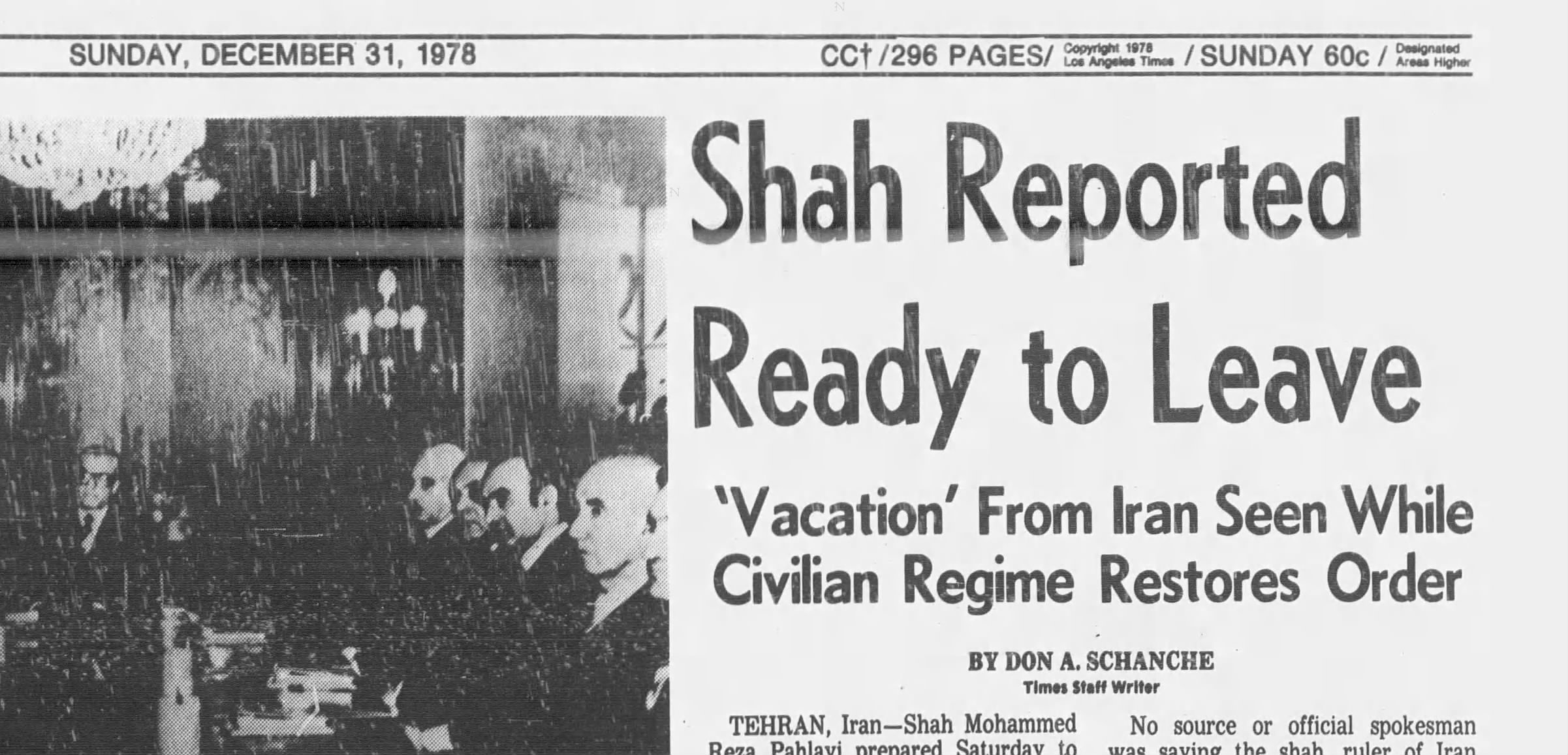
In 1979, The Guardian newspaper – that bible of British liberals – ran a very snide feature piece mocking Gay Pride. The reporter, who attended the Gay Pride festival, sneered that it was “far from gay, rather like the fourth day of a second rate pop festival”. He went on to compare gay people to ferrets and declared he was “bored with reading about homosexuality”. The reporter raised concerns about the age for consenting adult sex being lowered (it was 21 for gays and lesbians in 1979) and wondered if Gay Pride should be followed by a similar event for “mothers”.
It was typical of a bloke-ish attitude among even left-wing and liberal men at the time best epitomised by a rather crass letter that The Guardian saw fit to publish days later. The letter jokingly purported to be from an organisation called Straights Against The Guardian protesting at the “anti-straight attitude of your newspaper”. What one could detect through the weak humour of the letter was the still prevalent neurosis among the insecure that any concession to LGBT people means they’re taking over.
Gay Pride 1979 gets underway!
On June 30, 1979, ten thousand gays and lesbians marched through London, from Temple Embankment to a festival in Hyde Park. Believe it or not, this was the largest display of gay solidarity outside of the United States at the time. The Guardian article, detailed above, belittled gay people as figures of fun and the response was furious, forcing the paper to give the gay movement the right to reply. In an article, one person who had marched commented:
“Those of us who marched were taking the risk, even in 1979, of losing our jobs, losing our children, being ostracised or even physically attacked. We took the risk to show that we exist and that we are not ashamed or even apologetic.”
The key point of organising the march was to increase visibility of gay and lesbian people – who were either ignored or scorned by the media. On the day, there was an enormous police presence with marchers subjected to abuse by the officers who decided at one point – for reasons best known to themselves – to split the march in two.
The activities during the 1979 Gay Pride week were rather more sedate and cerebral than today. They included puppet shows, poetry readings, picnics, and film screenings. There were about 113 events that attracted “non-gays” as well as gays in the days leading up to the march. Groups that performed, or were involved, included Gay Sweatshop, Tom Robinson, Brixton Faeries, Poetic Justice, Female Complaints, Hormonal Imbalance, and the Coventry Lesbian Theatre.
Emergence of lesbian activism
A big change in recent years had been the emergence of lesbian activists. In the early 1970s, the Gay Liberation Front had been a mainly male and homosexual affair. The growing Women’s Liberation movement pushed lesbian voices forward, even though some feminists (a subject for another blog) were hostile to lesbians – terming them the “lavender menace”. Much as some feminists today have taken against trans male-to-female. Some things never change.
The 1970s saw the growth of a support network for gay and lesbian people that did not rely on public funding or popular support. This included switchboards, publications, support groups, and a growing number of gay clubs and bars. The switchboards were important given the isolation, and suicidal tendencies, experienced by many young gay people. However, this positive development was accompanied by escalating attacks. The morality campaigner Mary Whitehouse successfully sued Gay News for blasphemous libel and in 1977, the retailer WHSmith refused to stock the newspaper.
Murder of Peter Benyon in 1977
A week after the Gay News legal decision, a gay man – Peter Benyon – was attacked outside a gay bar by seven youths in the Finsbury Park district of north London. He died of his injuries in hospital shortly afterwards. As usual, police and subsequent newspaper reports stated that the motive was “not yet clear”. It never was back then. Attacks by gangs against gays, blacks, and Asians – increasingly by skinheads in the late 1970s – never seemed to have any motive, according to the police, and convictions were rare.
This homicidal violence, that went unpunished, fostered a climate of terror forcing many gay men to remain in the closet. I remember the local newspaper where I grew up in north east London publishing a “Letter of the Week” congratulating a gang of skinheads for an attack on a gay man as they had “performed a public service”. When certain Boomers on social media claim there were less gay people in the 1970s than today – they need to understand the reason was that gays and lesbians were petrified into silence. Maybe that’s what some Boomers yearn to see again!

Lesbians and artificial insemination
In 1978, the media got itself into a lather over the issue of lesbians accessing artificial insemination to have babies. If ever there was a red rag to the Fleet Street tabloid bull – then this was it. One newspaper, the long gone London Evening News, ran a headline feature about a private clinic in London’s exclusive Belgravia district that had enabled at least ten lesbian women to have babies. Six of these women had been referred to the clinic by the lesbian rights organisation, Sappho.
Two undercover newspaper reporters posed as a lesbian couple, visited the clinic, and then exposed its activity to predictable uproar. Opposition came not just from the press and politicians but also the medical profession. However, the British Medical Association declared it had no particular issue with what the clinic was doing – but that was a minority opinion. The Daily Mirror splashed with the headline: Secret Babies of the Lesbian Lovers.

Consequences of attending Gay Pride in 1979
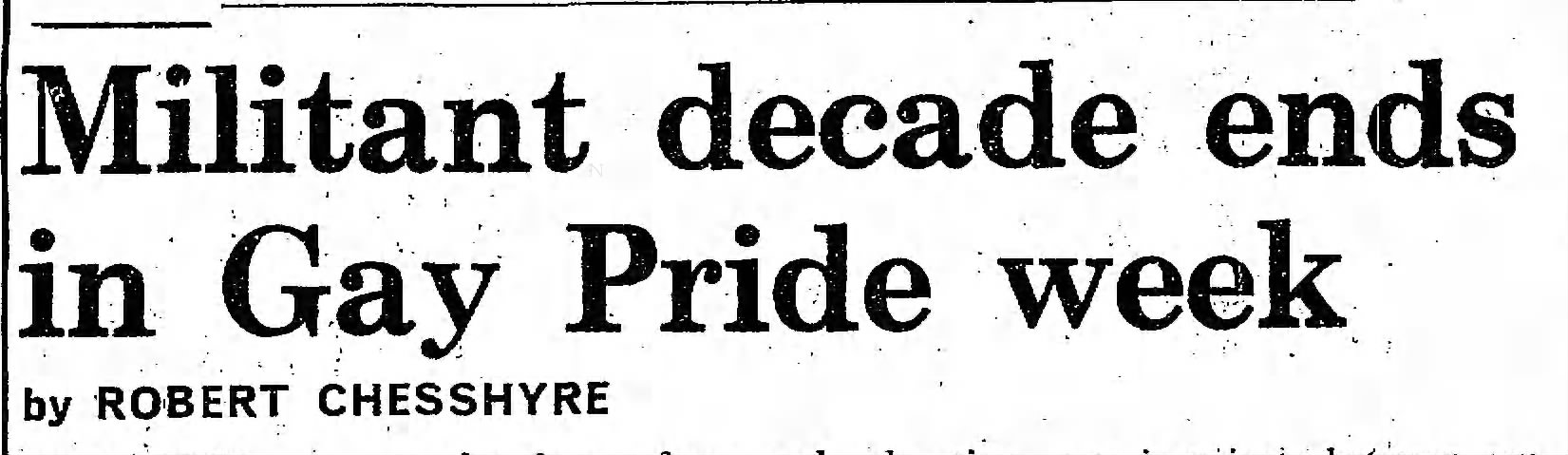
One newspaper article in 1979 described that year’s Gay Pride march as the culmination of a militant decade. Homosexuality had been legalised in 1967. The police reaction had been to double down on prosecutions which were up a third by 1979 on the level they had been before legalisation. Gays reacted by setting up campaign groups and support structures. There was the achingly respectable Campaign for Homosexual Equality, founded in 1969, and the more radical Gay Liberation Front which fizzed for two years before burning out.
Displaying a Gay Pride badge at work resulting in a teacher at the Berlitz Language School in Portland Square being suspended from his job. For many gay people, attending a Gay Pride march was something done furtively. Employers might sack you and it could be next to impossible to get a mortgage on a flat or house. Up until the 1990s, mortgage providers still issued “lifestyle questionnaires” to identify gay applicants.