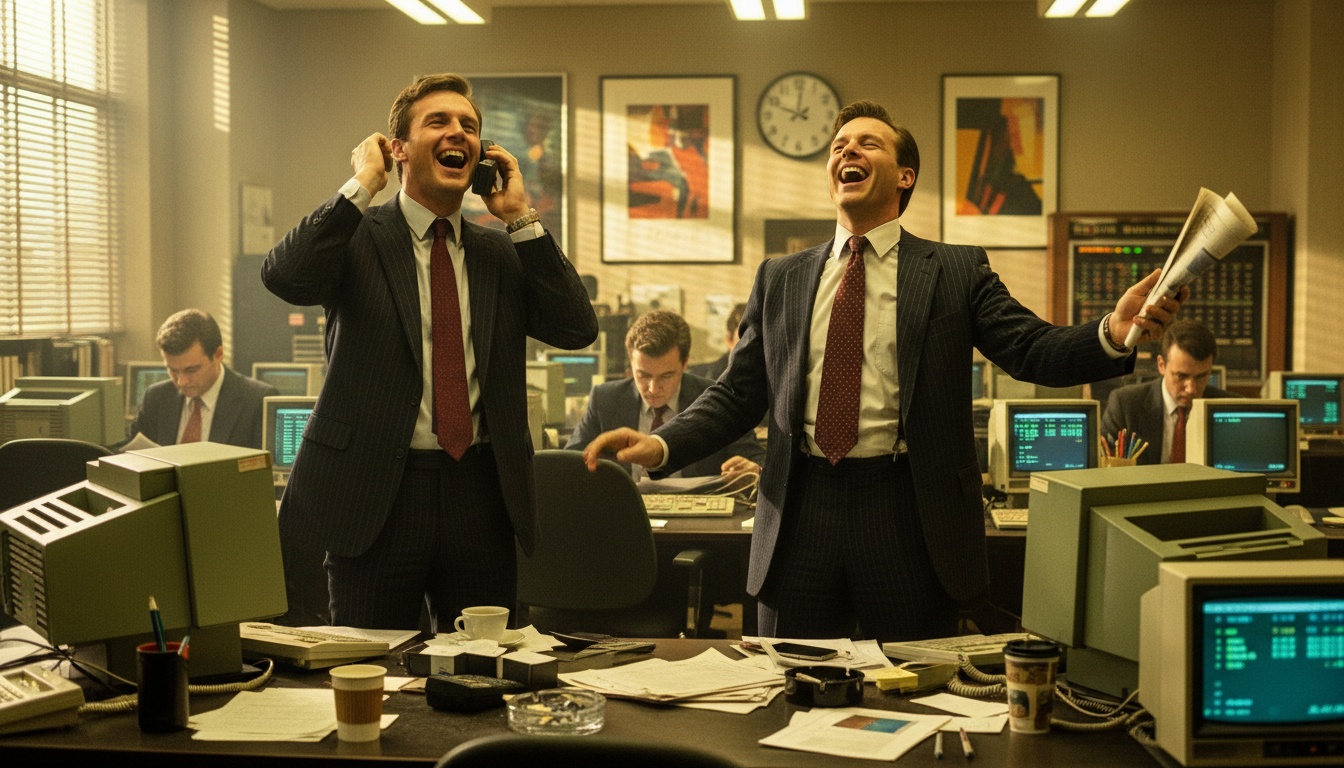
The 1990s was a decade of unbridled clubbing hedonism the likes of which we’ve not seen since. I experienced it in full – but remember surprisingly little. Or maybe that’s not such a surprise. Regrets – none. Wish to repeat it – no. Glad to have witnessed this cavalcade of dissoluteness – yes. So, let me take you by the hand and guide you through the hell and heaven that was the night club universe of the 1990s.
Picture the scene. It’s 1996. I’d already spent several hours in The Fridge in Brixton and before that the Kudos bar off Trafalgar Square. Now I was queueing outside Turnmills in Farringdon, a Victorian warehouse building, where one club night was ending and another was about to begin. It was already past 3am and I would be inside Turnmills until well past noon that day. When I eventually exited, it was to blink in the daylight like a semi-blind pit pony being led out of a 19th century coal mine.
That afternoon, I might have some people round for a ‘chill out’ at my place or they would decide to continue the clubbing at a daytime event called Sherbert. If that wasn’t enough, they could return to Turnmills in the evening for another club night appropriately named Warriors.
Aaah – the 1990s!
An outbreak of clubbing hedonism
This genuinely hedonistic decade saw mega-clubs sprout up all over the UK. Cream in Liverpool, Fun in Birmingham, The Orbit in Leeds, and Pure in Edinburgh. Gone were the days – in the 1980s – when clubs wound down at just before 2am with a slow dance and clubbers then traipsed homewards, having pulled or not. Many working class guys met their future wives over a Babycham and chicken in a basket. Such was the 80s.
With the 90s, clubbing only got going at 2am. Women ditched the handbags and stilettos of the 80s. Men abandoned leather ties and pleated trousers. Things were going to be done very differently!
A cargo-panted multitude of late Boomers and Gen-Xers descended on venues, dropped an E, and raved till well past dawn. When we went out in the 1980s, you had a pretty good idea of how your evening/night would pan out from pub to club to kebab, and then home. In the 1990s, you went to meet your mates not knowing what was going to happen. It was an ill-defined adventure. A veritable leap into the unknown. One mate of mine, Matt, would literally disappear into clubland for days.
Older Boomers, born in the 1940s, didn’t know what to make of it. In a 1996 newspaper article, the managing director of the London club, Ministry of Sound, related how Mick Jagger turned up one night and left after 45 minutes “because he couldn’t handle it – he thought it was too noisy”. However, plenty of late Boomers – who had been teens in the 1970s or 1980s – saw an opportunity to experience a second wave of youth. Something they had missed in those decades. They were not going to be denied this outburst of thrilling decadence as the outdoor raves of the late 1980s came indoors, often into old warehouses.
Middle aged people went clubbing in the 1990s
During the 1990s, I was in my thirties for most of it and clubbed regularly until the end of the decade. And I was definitely not alone among my age group. One of the features of clubbing in that decade was that people in their thirties and forties gave up living sedately and drifted into the expanding club scene. Not everybody of course. But a significant number of people.
In this decade, clubs were not restricted to teens and pre-married twenty-somethings. They were venues where you would find people in early middle age getting completely off their tits (pardon the expression of the time). This phenomenon was noted by the Conservative-leaning Daily Telegraph – hardly a radical newspaper.
In the article below, the reporter described well-heeled executives dancing into the small hours of the morning and claiming they were having more fun at 30 than they had at 20. In the 1990s, that was a very common sentiment as older clubbers felt they were more emotionally sorted – and financially solvent – and could really enjoy a long night of raving.

I remember very clearly in about 1998 inviting three couples round to my north London flat – where I then lived – for dinner, after which we got a couple of minicabs and made our way down to Turnmills in Clerkenwell for a long night of clubbing. Ten or twenty years before, the idea of most middle-aged straight couples raving until daybreak would have been unthinkable.
When the clubbing magazine Mixmag ran a feature in 1997 about clubbers in their forties raving alongside people young enough to be their kids, the article included a couple of negative, ageist comments. The result was a deluge of supportive comments from young clubbers who welcomed the forty-somethings joining the fun. One woman even boasted about sharing an ecstasy pill with her mother. In 1993, one Barnsley mum became a momentary sensation as a DJ releasing a CD titled, Mrs Wood Teaches Techno.
Sunday restrictions still applied – officially
Hard to believe now but up until the end of the 1990s, night clubs were still very much governed by the Sunday Observance Act – a piece of legislation passed back in 1790 that banned dancing on the sabbath. Efforts by the clubbing industry, which was worth £2billion by the close of the 1990s, to change the law was met with stiff opposition from the Lord’s Day Observance Society. They argued that allowing clubs to operate freely on Sundays would add to social disorder, violence, and drug taking.
Below is a debate in the pages of the The Guardian between a club owner in London and the general secretary of the Lord’s Day Observance Society in 1997. Despite the objections of the faithful, clubs like Trade in London and Pulse in Birmingham did a lively trade on the sabbath. Trade, which opened at 3am on a Sunday morning, was overwhelmingly gay but attracted some straight clubbers keen to keep dancing all night.

DISCOVER: Night out clubbing in the 1990s
A new kind of Saturday Night Fever
By the end of 1997, there were mounting concerns about the impact drugs-related injuries in clubs were having on the health service. Whether this was overblown is a moot point. But it’s useless denying that clubs in the 1990s were awash with drugs. Dealers operated openly. One club I went to had two queues snaking through the bar area – one for E and the other for whizz. Popping a pill or snorting a line was deemed to be the only way to experience these venues for hours on end, listening to music that only really worked in that environment.
This all came at a cost. An article in The Independent in October 1997 described the problem in terms of a deadly formula: “Take hundreds of clubbers, pour into a confined space, infuse with sweat, drugs, and alcohol, increase heat and mix vigorously for at least six hours.” An accident and emergency hospital consultant was interviewed about the impact of all this hedonism. He observed that 80% of emergency admissions were alcohol related and only 10% related to drugs. Heat stroke, panic attacks, and dehydration were pretty common.
Some clubbing ailments got their own special names. Nightclub Nettle, also known as Ravers Rash, was an explosion of large halo-like spots across the chest – a viral infection from close contact with so many people. Techno Toe (really, I’m not making this up!) were chunks of flesh gouged out by your own toenails from hours of frantic dancing. Another doctor in London warned of the stress to bones and joints from taking amphetamines that led to jerky dance movements on concrete floors.
Some clubs – scandalously – turned off taps in the toilets to force clubbers to pay handsomely for water. I went to one club in Ibiza in 1997 that charged for loo roll. You bought it from a vendor outside the toilet. Concern about clubbers dehydrating led to demands for guaranteed free water and that staple of many 1990s clubs….a chill out area.

DISCOVER: Racism in 1980s night clubs
Clubbing changes in the late 1990s
The early 1990s was all about an ecstasy-driven, acid house dominated, air punching dancing until dawn. But the middle of the decade saw Britpop revive guitar-based pop and clubbers wanting a more humane clubbing experience. Blasting your mind to smithereens was losing its appeal. Getting completely “monged” on drugs appeared very passé.
Clubs not only embraced the style and sound of Britpop but reached further back to the mid-1970s music of Northern Soul. Indeed, Seventies-themed club nights became very popular, although very soon overwhelmed by hen parties and rugger buggers. It seemed that people wanted a return to more intimacy and the ability to speak to each other in a fairly normal, civilised manner. There was also a growing realisation that the drugs on sale in clubs were declining in quality.
Another change from the early 90s to the late 90s was the rise and fall of the glamorous club scene. The late 1980s had seen a rejection of yuppie fashion by an army of youth who danced in muddy fields to acid house music wearing low slung jeans and generally looking a mess. That ethos did continue into the early 90s but there was also a reaction against it. Some craved for a return to the kind of glamour not seen in London clubs since the New Romantics at the start of the 1980s.
Kinky Gerlinky was a monthly club night from 1989 to 1994 where drag queens transformed from being a feature of seedy Blackpool pier dives to exotic personalities displaying their wares proudly. This was the beginning of drag race as you know it. The club was run by Gerlinda “Gerlinky” Kostiff and her husband Michael. It was heavily influenced by the New York drag scene. In the video below (assuming it’s not taken down) you can see pop star Neneh Cherry paying Kinky a visit.
In 1996, I attended what must have been the high point of this glamorous scene when Three Mills Island in east London hosted a drag party the likes of which may never be seen again. I believe it was under the Pushca brand but correct me if I’m wrong about that. Punters queued up in 18th century costume and trapeze artists performed above our heads in a huge old post-industrial venue.
The over the top glamour style of clubbing continued in places like Ibiza – especially the massive Manumission nights. I attended a club night called La Vaca Asesina in 1997 that was publicised with very ostentatious processions through the middle of town – comprising of muscular men, drag queens, and somebody dressed as a cow. I’ll spare you the bovine details. But just to say the udders were waved in my face.
If you can’t beat them…
The early 90s also saw the bizarre rise of S&M clubs that brought sadomasochism into the mainstream – briefly. Very respectable people would announce that they could be found that Saturday night at the Torture Garden, for example, which became very popular.
At the weekend, men and women could be seen forming a line outside a club in Shepherds Bush, in west London, wearing long overcoats. Once inside the Torture Garden, coats were handed over and the fun began. Many came as voyeurs to watch somebody getting whipped on stage while others were more serious about getting whatever treatment they enjoyed.
The age range was even broader than many clubs at the time including punters nearly old enough to claim the state pension. As one journalist who visited put it: “It’s not the club to take your grandmother to. But be careful, you might find your grandmother there.” One feature of the Torture Garden common to many clubs then was the use of men’s toilets by women and vice versa. Given what a contentious issue this has become now in relation to trans people – it seems something got lost back in the 1990s.
In 1992, the local council shut the Torture Garden down and boarded up the venue – as if engaging in some kind of exorcism. But the Torture Garden endured and, I believe, still holds events up to the present day. Another club that also celebrated S&M but had a more LGBT clientele was Sadie Masie, held at the London Lesbian and Gay Centre in Farringdon, central London.
The wrecking ball comes…
All good things….and 1990s clubbing began to decline from the mid-naughties. Between 2005 and 2015, half the country’s night clubs shut down never to return. Millennials appeared to be turning their backs on the hedonism of the twentieth century’s last decade. But also some Gen-Xers began penning newspaper and blog articles confessing that they had never really enjoyed the wild hedonism of 90s clubs and were glad to see their demise.
For my part, I had mixed feelings. I’d hated the yuppie Thatcher ethos of the 1980s – having spent most of that decade in the closet as a gay man during the AIDS pandemic and rampant homophobia in the tabloids. The explosion of the clubbing scene in the 90s was initially liberating. A case of throwing caution to the four winds and finally becoming what I believed was my true self. It wasn’t a time for big politics – the Tories were triumphant and communism was collapsing globally – but it was a time for incredible self-expression.
Of course, 90s clubbing had limitations. After a while, I grew weary of hours of being aurally blitzed and off my head as well as days afterwards on come downs. It was a relief to move back into pubs and start experiencing the middle aged joy of restaurants. It was as if, like Dante, I’d descended into the lower rungs of hell and now returned to the light, a better man for it.
The Millennials whipped out their smartphones and dating apps, rejecting the physical spaces we had fought so hard to create and support. Not only have clubs been boarded up – but also pubs. Ironically, Zoomers are now moaning – quite rightly – that they lack a third space between work and home where they can socialise. Well – blame the Millennials.
The bricks and mortar that we took over and turned into clubs have gone. Not only did 1990s clubbing die out but town planners wasted no time swinging the wrecking ball. The next time you are standing in the Apple store on Covent Garden in London – consider that part of it was once The Gardening Club.
Once upon a time, DJ Jeremy Healy – formerly of 80s pop act Haysi Fantayzee – was in charge of the turntables where Apple iPhones are now on display. Next door to the Gardening Club – and also swallowed up by this Apple store – was The Rock Garden where I experienced fifteen minutes of musical fame as a keyboardist in an early 90s pop combo called The Happy Few.
By 2016, one newspaper announced that we would all rather be drinking coffee at home than clubbing. Is this your view? Do tell me in the comments.