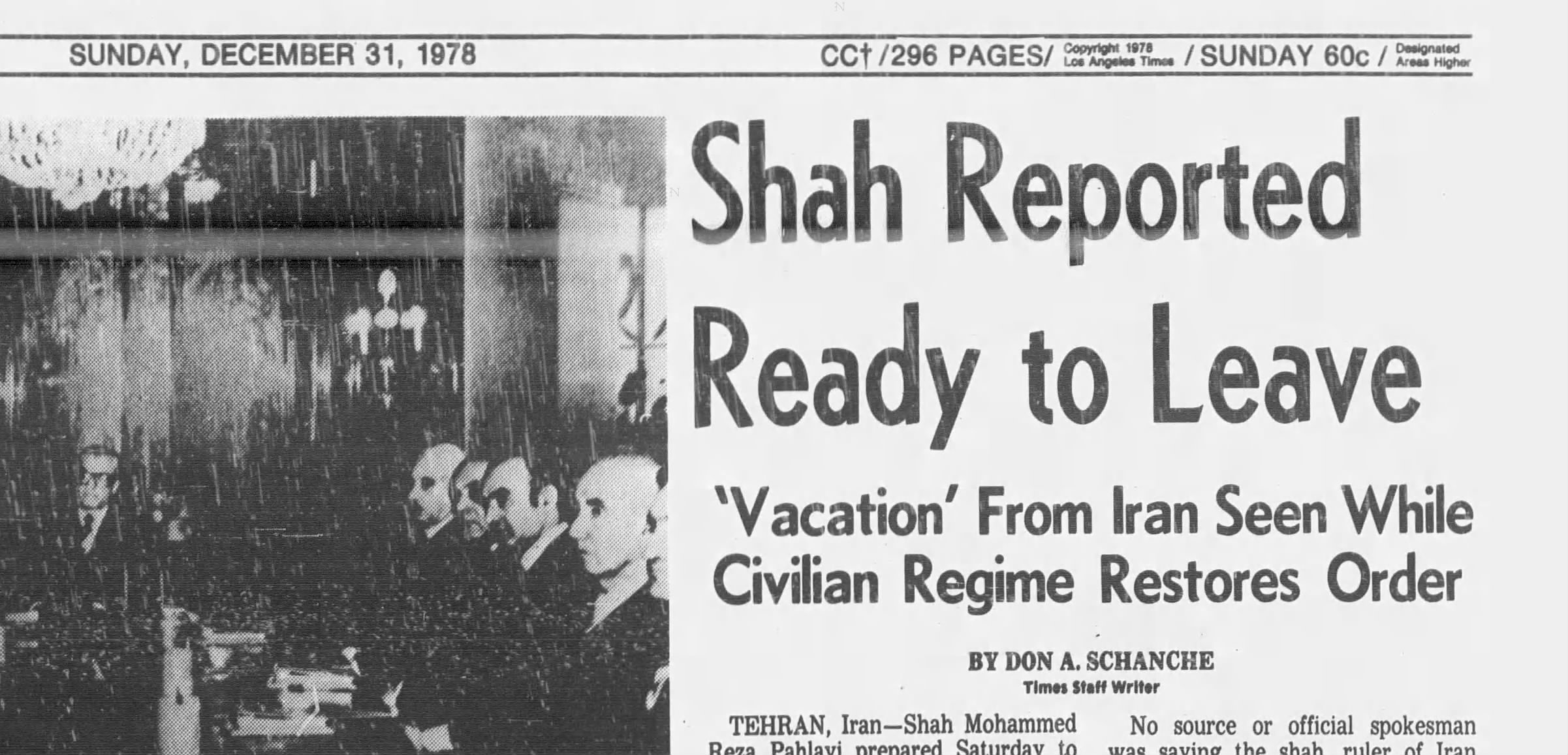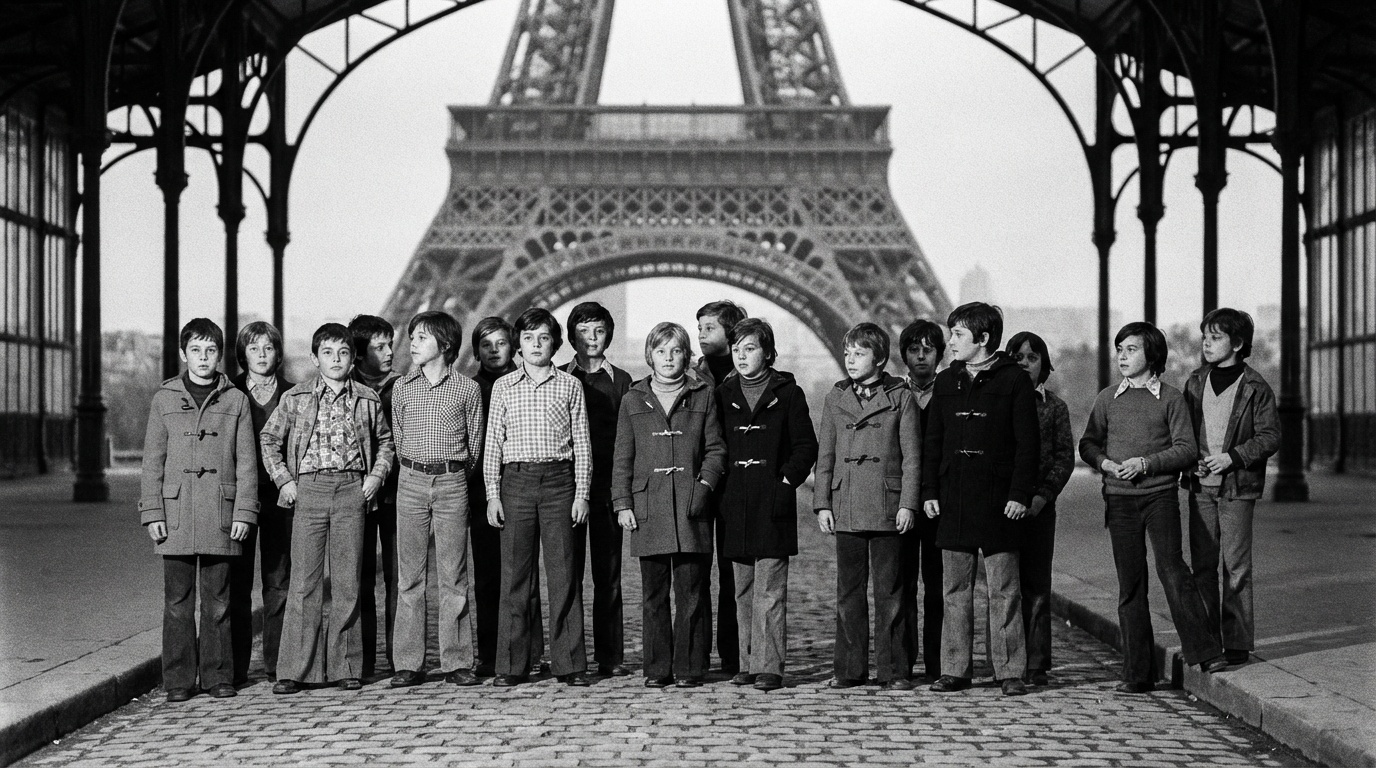
I turned 13 years of age in 1976 and was at secondary school in Buckhurst Hill, Essex. Let’s look back at a year when we experienced a never ending summer with a resulting drought. Before that, Prime Minister Harold Wilson suddenly resigned for reasons that didn’t seem very obvious. He’d just won election only two years before. In apartheid South Africa, black youth rose up in revolt in Soweto. While in the United States, the Democrats nominated Jimmy Carter as their presidential candidate. Half a century ago – it seems incredible.
My memory is dominated by a terrible sense of malaise in the mid-70s. In that pre-digital world, for young people, music, TV, and movies were incredibly important. We defined ourselves by our taste in bands. The early 70s was dominated by glam rock with the likes of Sweet, Slade, and Marc Bolan. The late 70s would bring us the glory years of punk and disco. But 1976 felt like a year when many familiar pop acts had run out of steam – like a deflated soufflé.
Maybe it seemed that way because of the general deteriorating climate in Britain – a grim backdrop to our lives. As kids we sat through the early evening news with the newscaster droning on about the balance of payments deficit, loss of confidence in the pound, and the government seeking a loan from the International Monetary Fund to keep Britain afloat. We may not have understood the finer points of macroeconomics but there was a sense that everything was going wrong.
Yet the soothing music in the pop charts failed to capture that mood. Starland Vocal Band singing ‘Afternoon Delight’ was one of the top songs of the year – a soft, American folk sound that was a million miles away from our lived experience in 1976. The sun-tanned bands of California were starting to grate. When the snarling, pasty-faced punks burst on to the scene, it was like lancing a complacent boil.
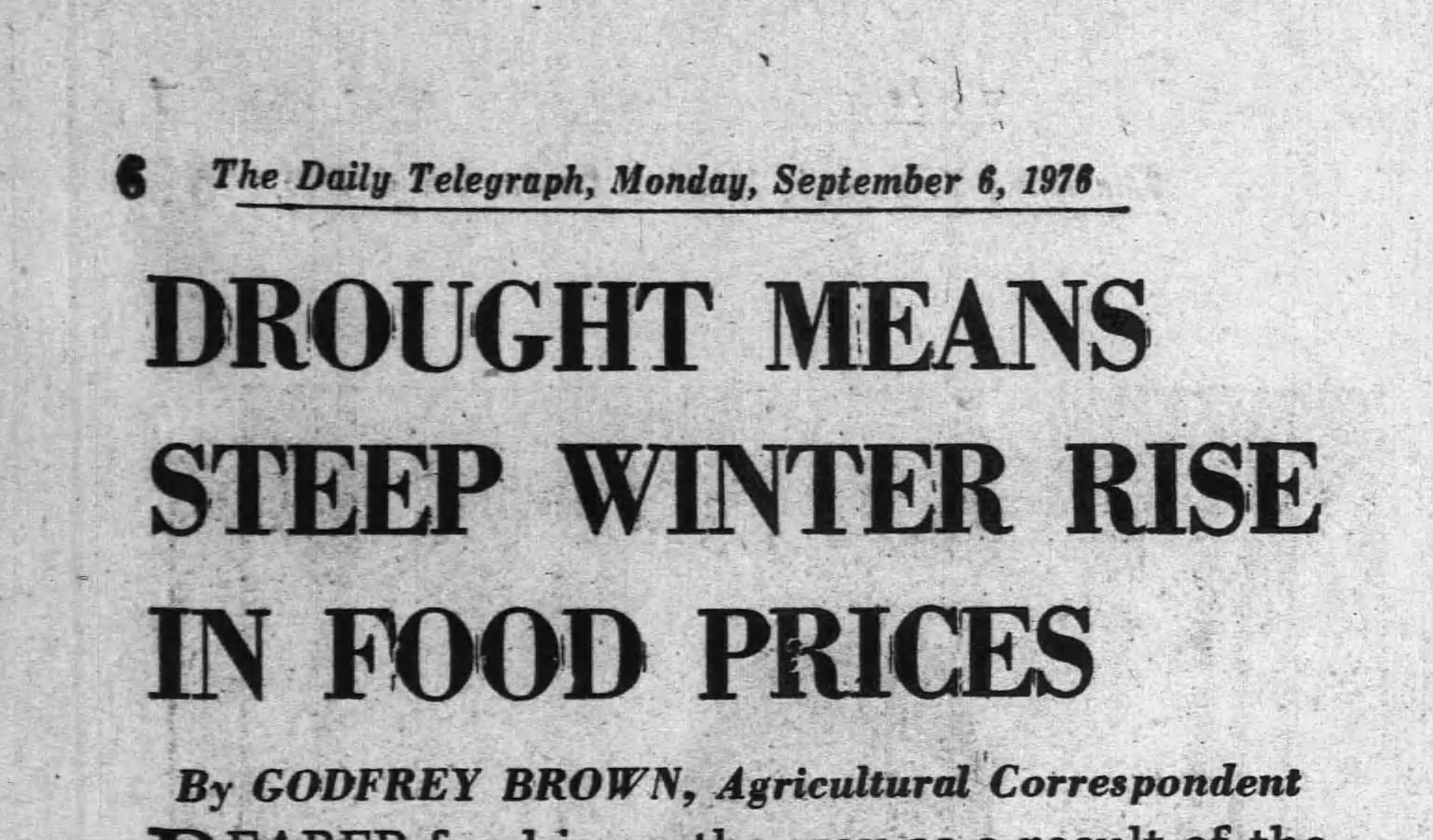
By September, growing economic problems were compounded by rising food prices after months of hot weather had shrivelled vegetable crops. I remember my Dad driving us in his Ford Cortina past Epping Forest and we gazed out of the window at the dried up ponds. The government even created a Minister for Drought, appointing Denis Howell to the post. As he ordered bans on using hosepipes in gardens and washing the car, Howell became both unpopular and a figure of fun.
1976 saw “The Troubles” in Northern Ireland grind on – a relentless sectarian bloodbath. On one side, the Provisional IRA trying to bomb its way to a united, Republican Ireland. On the other, Protestant, Loyalist terrorists retaliating. And on top of all that, the British Army on the streets of the province. By ’76, the IRA had taken its terror campaign out of Northern Ireland to mainland Britain and the neighbouring Republic of Ireland.
In July, the IRA assassinated the British Ambassador to the Republic, Christopher Ewart-Biggs, easily identified by the monocle he wore. Being half-Irish, I was in Ireland at the time on holiday with the family. I remember we were sitting in a pub in Dublin when the ambassador’s widow popped up on TV to declare she didn’t blame the Irish people for the actions of terrorists. She later became involved in the Women for Peace movement, set up the Northern Irish activists Mairéad Corrigan and Betty Williams who won that year’s Nobel Peace Prize.
It was an Olympics year – Innsbruck for the winter and Montreal in the summer. The Montreal event gained notoriety for its horrendous cost overrun. Even as athletes were arriving, analysts declared the costs had quadrupled. The Montreal Olympics also saw 20 African countries boycott the event over New Zealand’s rugby tour in South Africa, then under apartheid rule.
What are your memories of 1976?