In 1976, the UK experienced an unprecedented hot summer leading to drought conditions. From 22 June to 7 July, somewhere in the UK was over 25 degrees Celsius (I’m not a Fahrenheit person btw!). For five days in a row, the temperature went above 32 degrees. The most sweltering day saw Cheltenham basking in 35.9 degree heat. Records were broken when June saw its hottest day ever with 35.6 degrees in Southampton. So, was this down to climate change?
On social media, especially TikTok, there has been a flurry of memes ridiculing modern concerns about climate change by mocking up 1970s weather forecasts – as if to say, nobody was concerned 50 years ago when the temperature soared. But is that really true?
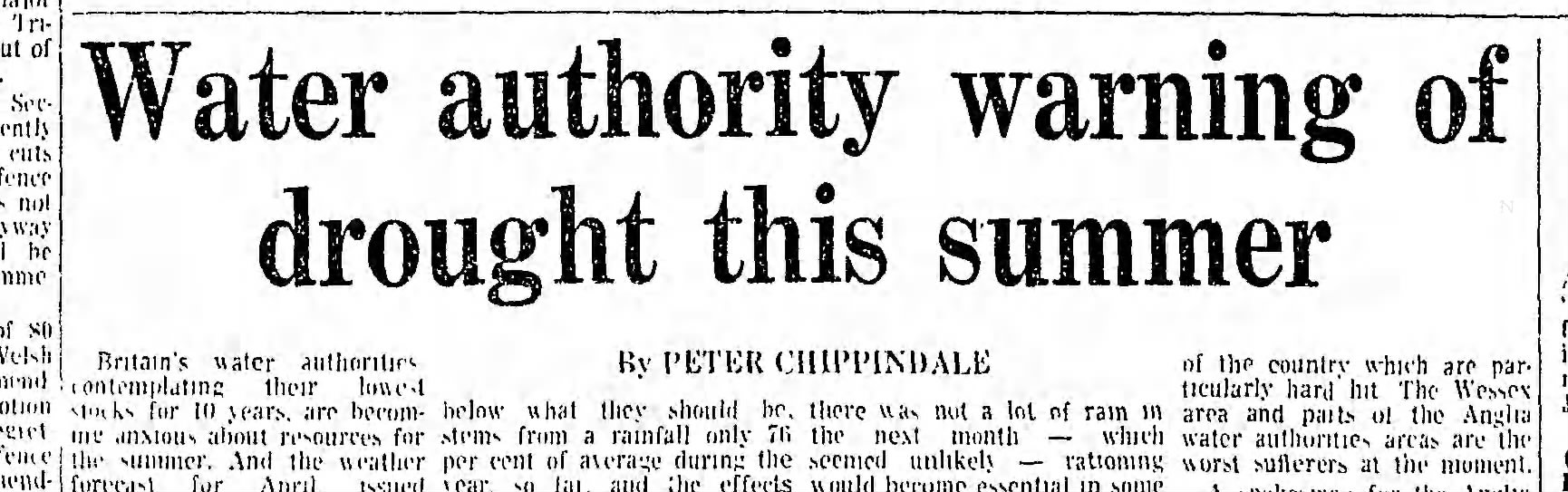
The summer of 1976 was undoubtedly a scorcher. In April that year, the Met Office warned of drought conditions not seen in Britain since 1780. By May, Professor Hubert Lamb at East Anglia University spoke of climate change, popularising the concept. One water authority after another flagged up concerns that they might not be able to continue supplying water to homes. And in Oxford Street, London’s main shopping destination, huge concrete slabs fell off an office building in August crushing eight people below – with firefighters blaming the prolonged heat.

The heatwave caused 20% more deaths than would have occurred in cooler conditions. The year before had also been dry and hot, which contributed to a drought in 1978. Towns went without rain for 45 days, rivers dried up, crops withered, and bushfires exploded across the country – putting firefighters at incredible risk.
I turned 13 that year and like most people was dismayed when the government announced water rationing. Remember that in the 1970s, the water industry was publicly owned so if Whitehall decided to switch off the tap, then off it went. The mains supply was cut in the hardest hit areas and standpipes erected on streets. This was like going back to the Victorian era with water pumps on street corners. Residents had to queue to fill up buckets for washing, cooking, and bathing. People were encouraged to share bath water – could you imagine that now!
Manufacturers began selling products to help families collect rainwater for multi-use.

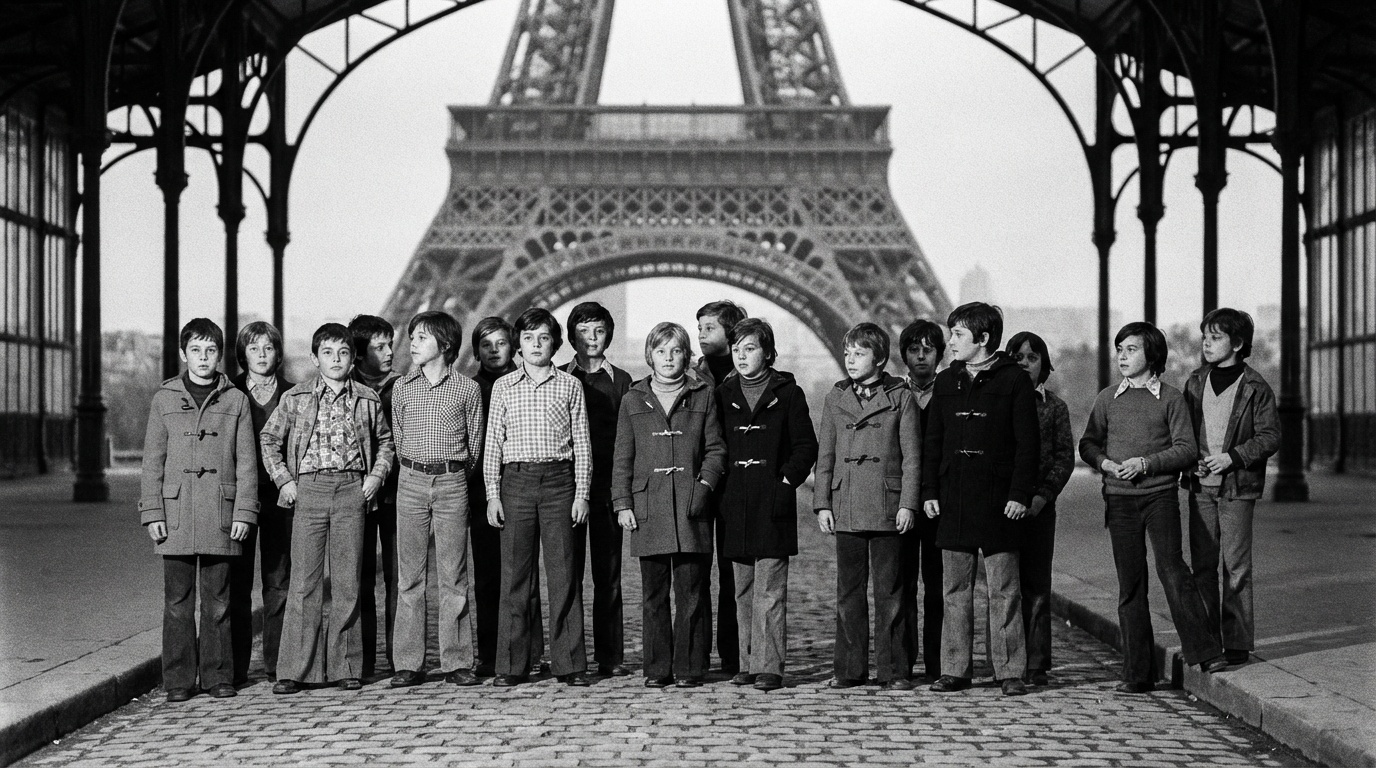
DISCOVER: School summer holidays in the 1970s
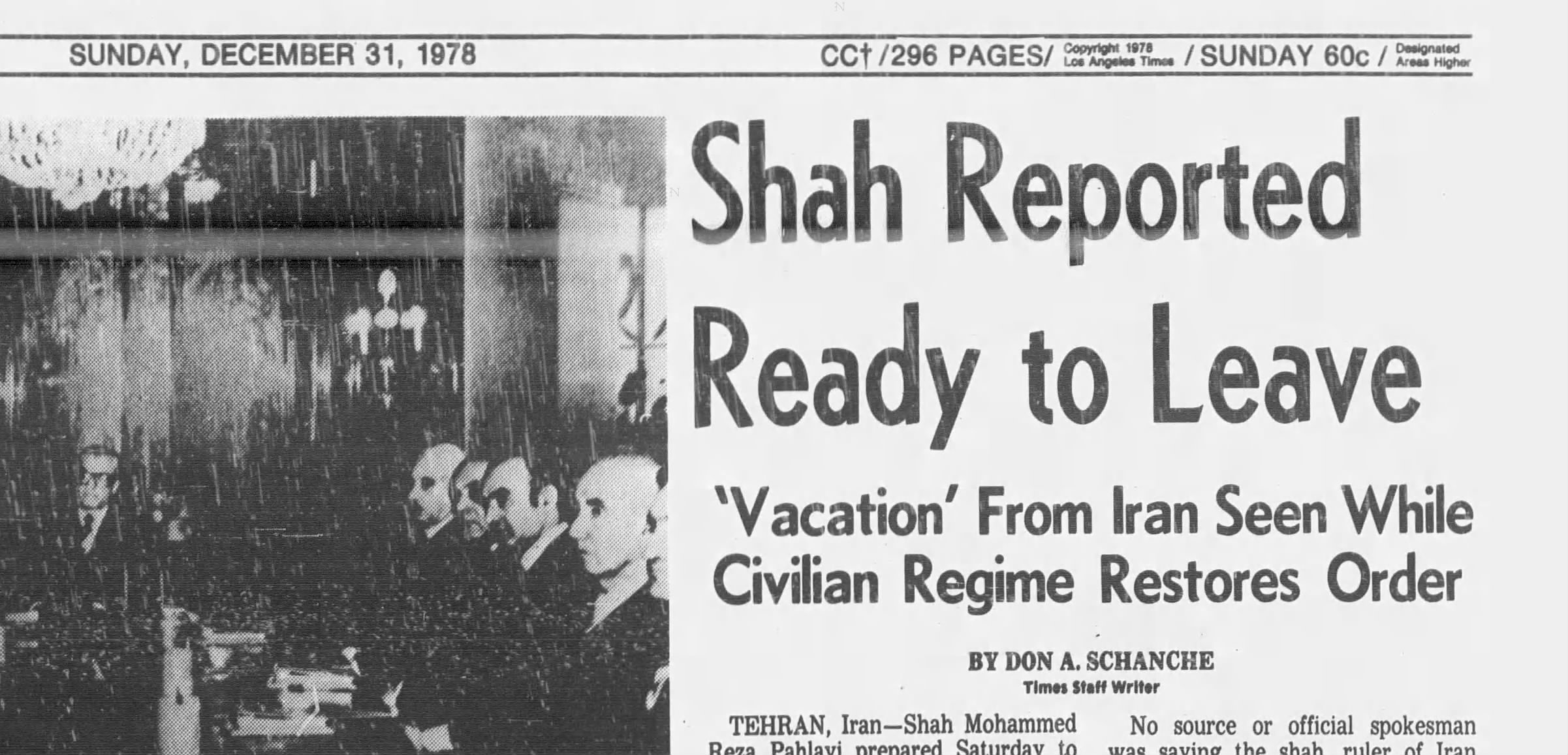
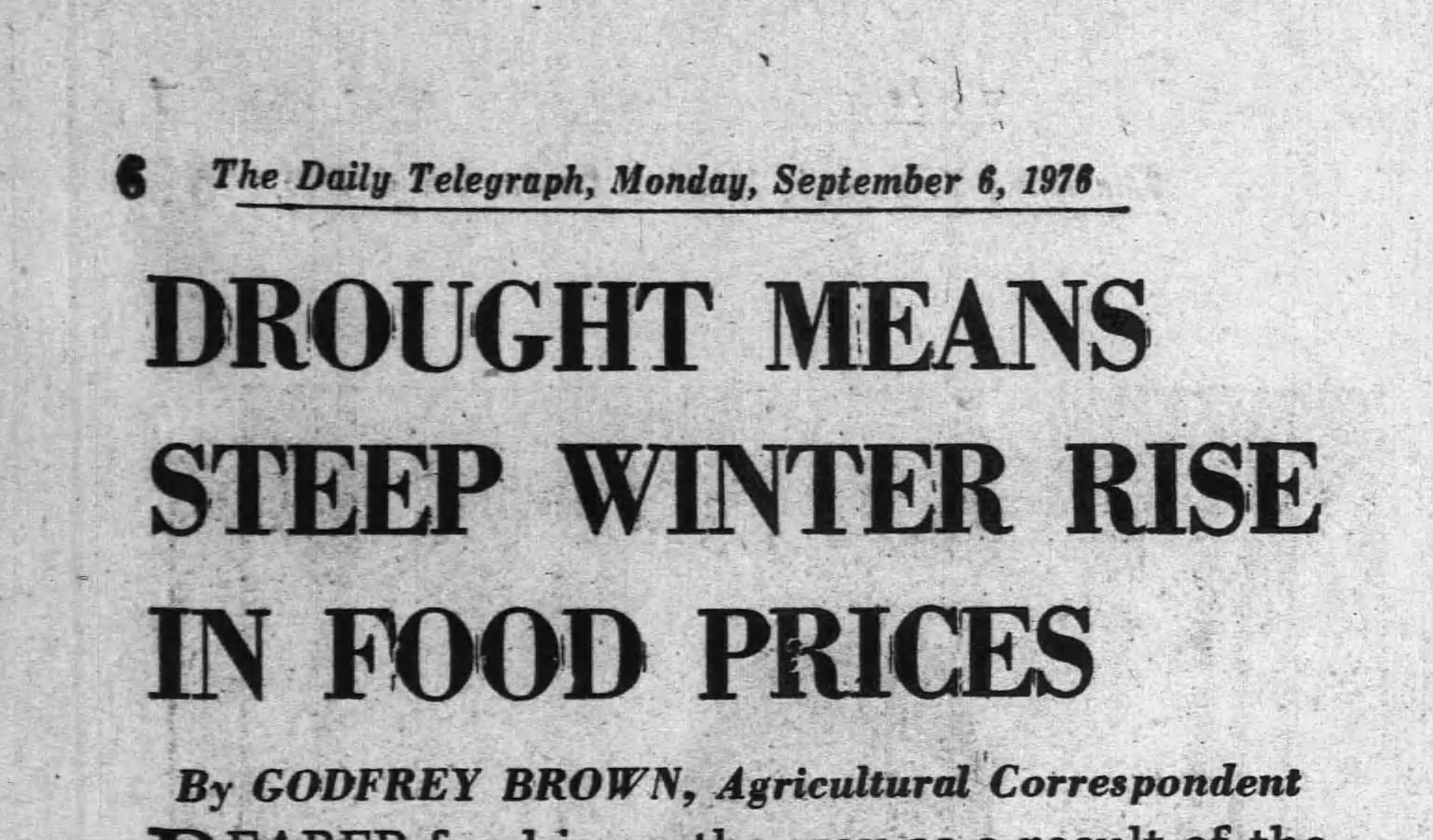
There was something of a Dunkirk/Blitz spirit about it all. Remember this was just 30 years after the end of World War Two. Some people even seemed to relish returning to a ‘make do and mend’ ethos. But for millions, there were concerns that the drought would bump up the price of food with the damage done to UK harvests.

For those who argue that today is just a repetition of the 1970s, I must run some stats past you. Yes, 1976 was hot. But it was an aberration in that decade though temperatures were already showing signs of trending upwards. In the last 15 years, we’ve achieved the 1976 temperature reading many times and gone far higher. Here are the 1970s figures for maximum temperature each year:
- 1970 – 32 degrees
- 1971 – 30 degrees
- 1972 – 29.4 degrees
- 1973 – 32.1 degrees
- 1974 – 28 degrees
- 1975 – 34.2 degrees
- 1976 – 35.9 degrees
- 1977 – 30 degrees
- 1978 – 28.8 degrees
- 1979 – 30.4 degrees
In the 1990s, temperatures start to tick up but it’s the 21st century that sees the most noticeable rise. Highest temperatures have been 38.5 degrees in 2003, 36.5 degrees in 2006, 36.7 degrees in 2015, 38.7 degrees in 2019, 40.8 degrees in 2022, and 2026 is already breaking records. Summers in recent years are far hotter and of longer duration than anything seen in the 1970s.
Back in 1976, things got so bad that cloud seeding was considered – a new technology at the time. But it turned out that Britain had the wrong type of clouds!